

Tsum Valley – The Hidden Himalayan Treasure of Nepal
Nestled in the northern region of Gorkha district, Tsum Valley is one of Nepal’s most mystical and culturally rich trekking destinations. Isolated for centuries from the rest of the world, this sacred Himalayan valley is often called the “Hidden Valley of Happiness.” With its pristine landscapes, ancient monasteries, and deep-rooted Buddhist heritage, Tsum Valley offers travelers a glimpse into a timeless world untouched by modernity.
Surrounded by majestic peaks such as Ganesh Himal, Sringi Himal, and Boudha Himal, the valley captivates adventurers and spiritual seekers alike, making it one of Nepal’s most rewarding off-the-beaten-path destinations.
A Hidden Gem in the Himalayas
The Tsum Valley Trek was opened to foreign travelers only in 2008, preserving its authenticity and cultural purity. The valley lies within the Manaslu Conservation Area, north of the famous Manaslu Circuit, and shares its border with Tibet. The term “Tsum” is derived from the Tibetan word “Tsombo,” meaning “vivid,” and indeed, the valley is a colorful tapestry of natural beauty, spirituality, and traditional life.
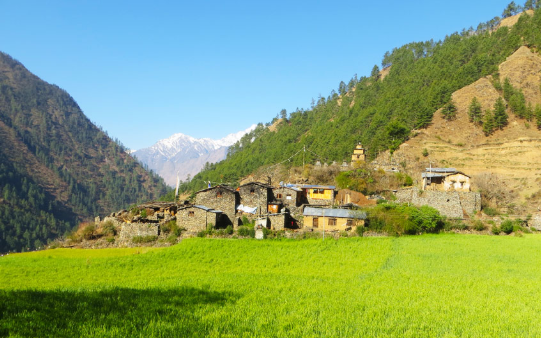
Unlike the more commercialized trekking routes of Nepal, Tsum Valley remains largely untouched by mass tourism. Here, you’ll find stone-built villages, ancient chortens, fluttering prayer flags, and centuries-old monasteries set against a backdrop of towering Himalayan peaks. It’s a journey where nature, culture, and spirituality blend into a single, unforgettable experience.
Cultural Heritage and Spiritual Significance
Tsum Valley is deeply influenced by Tibetan Buddhism, and its people, known as the Tsumbas, follow age-old traditions that have been passed down for generations. The valley is dotted with ancient monasteries, or gompas, where monks still live, meditate, and teach.
Some of the most notable religious sites include:
- Mu Gompa – The largest monastery in the region, situated at 3,700 meters. It offers panoramic views of the mountains and a tranquil spiritual atmosphere.
- Rachen Gompa – A prominent nunnery home to dozens of nuns who dedicate their lives to prayer and meditation.
- Milarepa’s Cave – A sacred site where the great Tibetan saint and poet Milarepa is said to have meditated in solitude.
The entire valley is considered a Beyul, a hidden valley blessed by Guru Padmasambhava, the founder of Tibetan Buddhism. It’s believed that visiting such places brings spiritual merit and inner peace.
Scenic Beauty Beyond Compare
The journey through Tsum Valley is a photographer’s dream. The landscapes change dramatically as trekkers ascend from lush subtropical forests to alpine meadows and rugged Himalayan terrain. The valley is framed by snow-capped peaks, cascading waterfalls, and glacial rivers.
The trail passes through picturesque villages such as Chhokangparo, Nile, Chumling, and Domje, each offering unique views of the surrounding mountains. As you move deeper into the valley, you’ll witness the serene beauty of Manaslu (8,163m) and Ganesh Himal (7,422m) standing majestically in the distance.
During spring, the hillsides bloom with rhododendrons, while autumn brings crisp skies and golden fields of barley. The absence of crowds adds to the valley’s peaceful charm, allowing trekkers to truly connect with nature and the local way of life.
The People and Their Way of Life
The Tsumbas, the indigenous people of Tsum Valley, have preserved their Tibetan Buddhist culture for centuries. Their lifestyle revolves around farming, animal husbandry, and monastic traditions. You’ll often see locals spinning prayer wheels, chanting mantras, or walking along mani walls (stone walls engraved with Buddhist prayers).
The community practices polyandry, a unique marital custom where one woman marries multiple brothers, a tradition rooted in ancient Tibetan culture to preserve family property. Despite the remoteness, the Tsumbas are incredibly welcoming, and their warmth adds a special touch to the trekking experience.
Local festivals such as Lhosar (Tibetan New Year) and Dhachyang (Horse Festival) bring the valley to life with vibrant dances, music, and rituals that reflect the deep spirituality of the people
Tsum Valley Trek – A Journey to the Hidden World
The Tsum Valley Trek usually takes 14 to 18 days, depending on your pace and itinerary. The trek begins at Soti Khola or Machha Khola, following the same route as the Manaslu Circuit Trek before diverging towards Tsum Valley near Philim village.
As you ascend, the trail leads you through dense forests, suspension bridges, terraced fields, and rocky paths alongside the Budhi Gandaki River. The gradual climb introduces trekkers to breathtaking views and the slow transition from Nepali to Tibetan culture.
A standard itinerary includes stops at:
- Chumling – The first Tsum village, known for its stone houses and monasteries.
- Chhokangparo – A picturesque village offering views of Ganesh Himal and glimpses of traditional Tibetan life.
- Nile and Mu Gompa – The northernmost point of the trek, close to the Tibetan border, where spirituality and mountain majesty converge.
- Rachen Gompa – A serene nunnery where visitors can learn about Buddhist philosophy.
Most treks end by retracing the route back to the Manaslu trail, though some adventurers continue to combine the Manaslu Circuit and Tsum Valley Trek for a longer and more diverse Himalayan journey.
Permits and Regulations
Since Tsum Valley is a restricted area, trekkers need special permits from the Nepal government. You will require:
- Tsum Valley Restricted Area Permit
- Manaslu Conservation Area Permit (MCAP)
- Annapurna Conservation Area Permit (ACAP)
Additionally, Nepal’s regulations require a minimum of two trekkers accompanied by a licensed guide to enter the restricted zone. This ensures safety, supports local employment, and preserves the fragile ecosystem and culture of the valley.
Accommodation and Food
Accommodation in Tsum Valley primarily consists of basic tea houses and homestays, offering simple rooms and warm hospitality. As tourism grows, new lodges are being built, especially in popular villages like Chhokangparo and Nile. Despite the simplicity, the cleanliness and friendliness of the hosts make every stay memorable.
Meals usually include traditional Nepali dishes like dal bhat (rice and lentils), noodles, momos (dumplings), and Tibetan bread. Some tea houses also serve yak butter tea and local barley beer (chhyang).
For trekkers seeking a more authentic experience, staying with local families provides a deeper understanding of Tsum Valley’s traditions and daily life.
Best Time to Visit Tsum Valley
The best seasons for trekking in Tsum Valley are spring (March to May) and autumn (September to November). During these months, the weather is clear and stable, offering the best mountain views and comfortable temperatures.
- Spring brings colorful wildflowers and rhododendron blooms.
- Autumn offers crystal-clear skies, perfect visibility, and lively local festivals.
Winter (December–February) can be extremely cold and snowy at higher elevations, while monsoon (June–August) brings heavy rains and muddy trails, though the valley looks lush and vibrant during this time.
Why Choose Tsum Valley Trek
The Tsum Valley Trek is ideal for travelers seeking a combination of natural beauty, cultural depth, and spiritual fulfillment. It’s less crowded than the Everest or Annapurna regions, making it perfect for those who want to experience the Himalayas in solitude.
Here’s why Tsum Valley stands out:
- Unique blend of Buddhist heritage and Himalayan wilderness
- Opportunity to visit ancient monasteries and meditation caves
- Interaction with authentic Tibetan-influenced communities
- Breathtaking mountain views and serene landscapes
- A chance to walk through one of Nepal’s most sacred hidden valleys
This trek is not just about physical adventure—it’s a journey of the soul, connecting you with centuries of wisdom, simplicity, and spiritual energy.
Conclusion
The Tsum Valley remains one of Nepal’s most enchanting and spiritually powerful destinations—a place where the rhythm of life flows in harmony with nature and faith. It’s a journey into the heart of the Himalayas, where ancient monasteries whisper stories of enlightenment and every mountain seems to radiate peace.
For those yearning to step away from crowded trails and immerse themselves in authentic Himalayan culture, the Tsum Valley Trek promises an unforgettable experience of beauty, serenity, and discovery—a hidden gem waiting to be explored.
